Inside the Nuclear Bunkers, Mines, and Mountains Being Retrofitted as Data Centers
Inside the Nuclear Bunkers, Mines, and Mountains Being Retrofitted as Data Centers
As the demand for data storage and processing continues to rise, companies are…
Inside the Nuclear Bunkers, Mines, and Mountains Being Retrofitted as Data Centers
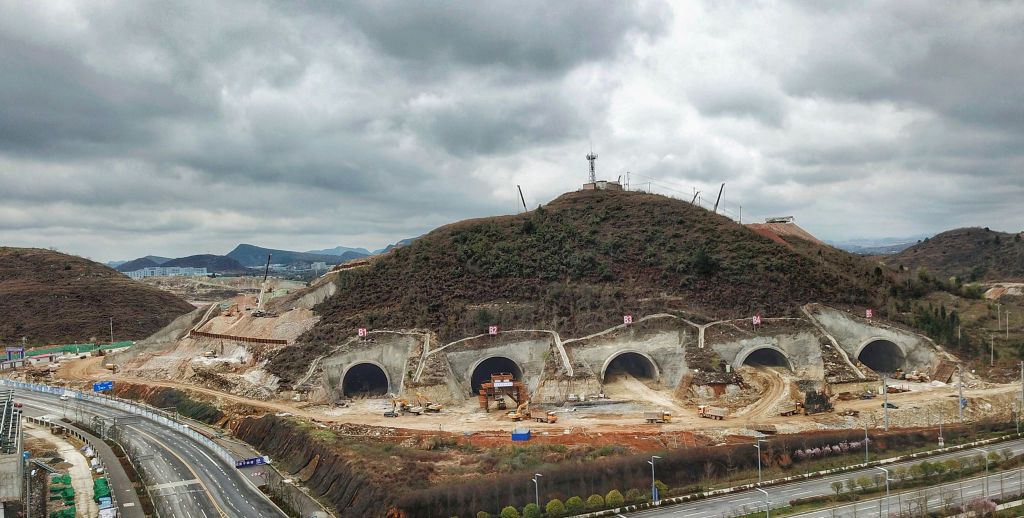
As the demand for data storage and processing continues to rise, companies are turning to unique locations such as nuclear bunkers, mines, and mountains to retrofit as data centers.
These secure and remote locations offer natural protection against environmental disasters and security breaches, making them ideal for housing sensitive data.
Inside these retrofitted spaces, visitors will find rows of servers humming away, processing massive amounts of information for businesses, governments, and individuals.
The cool and stable temperatures of underground bunkers and mines help to regulate the heat generated by the servers, ensuring optimal performance and reducing energy costs.
Some data centers even utilize the natural geothermal energy of mountains to power their operations, making them more sustainable and environmentally friendly.
Security measures in these facilities are top-notch, with multiple layers of encryption, surveillance cameras, and armed guards to protect the valuable information stored within.
Exploring these unique data centers offers a glimpse into the future of technology and the innovative ways in which companies are adapting to meet the growing demands of our digital world.
With the increasing threat of cyber attacks and natural disasters, the importance of secure and reliable data storage has never been more evident, driving the development of these unconventional data center locations.
From deep underground bunkers to towering mountain peaks, these retrofitted spaces are at the forefront of the data revolution, shaping the way we store and access information in the digital age.
As technology continues to evolve, these unique data center locations will play a crucial role in ensuring the safety, stability, and sustainability of our digital infrastructure.


